

Keeping the Faith
On the dance-floor as in life
Words by Marley Markham. Photos by Alec Jafrato.
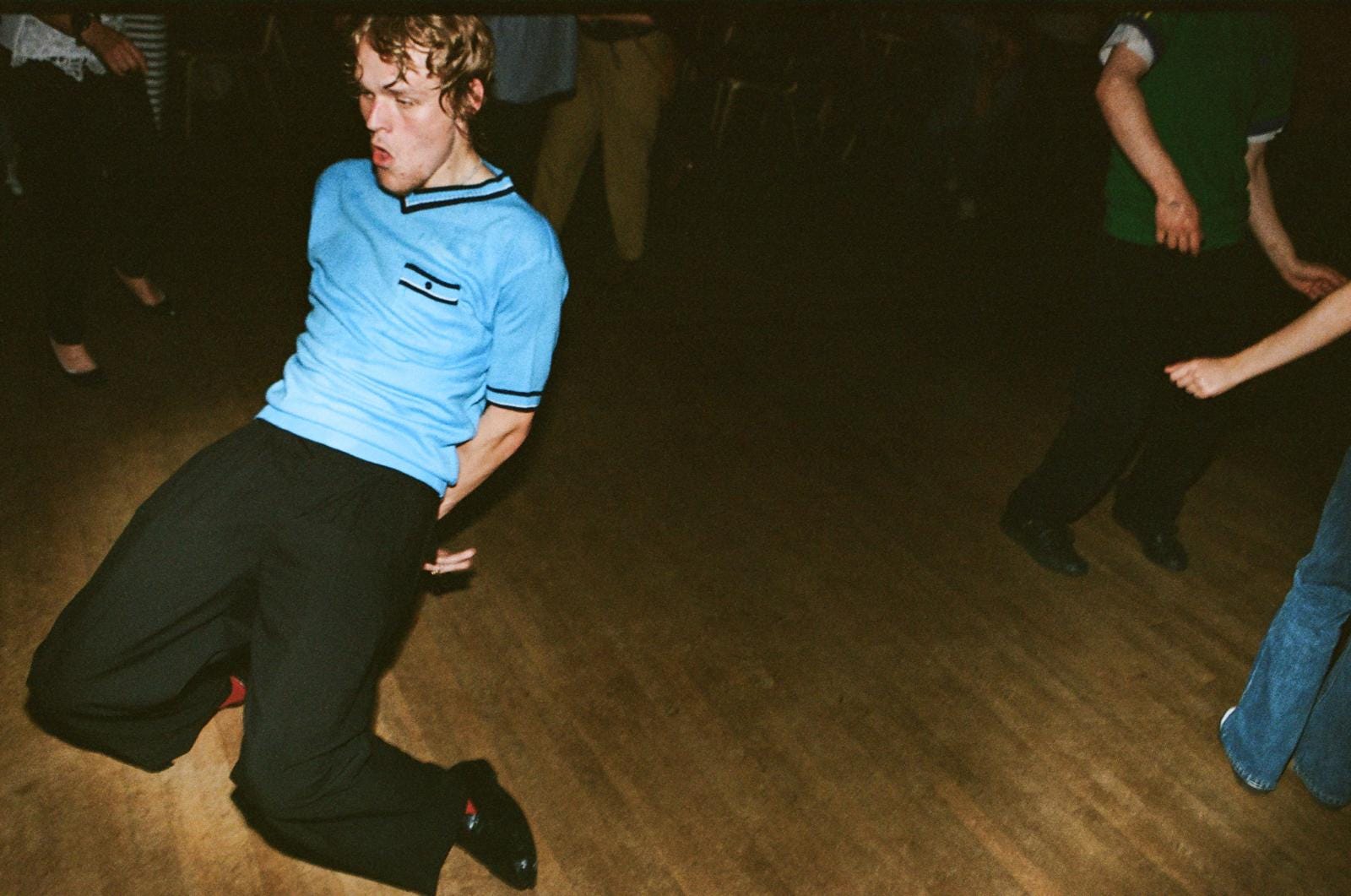
One evening in 1976, a sixteen year old from Middlesborough lost himself on a sweaty, spinning dance-floor in Wigan.
“It felt like the biggest place you’d ever been to… so many people, everyone was friendly and the music was great,” he said. “It was like love at first sight.”
Decades later, in a quiet corner of South London, another young lad stepped into the dimly lit orbit of a Northern Soul ballroom for the first time.
“I went there not really thinking that I would dance,” he said. “I became addicted. For the next year I went once a week.”
So, what is it about Northern Soul that continues to capture hearts across generations? And, with youth isolation rising, what secrets does it hold for how we slide into the future?
‘Out on the Floor’
That lad from Middlesborough goes by the name of Jaffa. “When I was younger I had really ginger hair,” he said. “So the name stuck.”
Northern England in the 1960s was in the grips of a complex transformation. Heavy industries like coal mining and shipbuilding were on the decline and ‘slum clearances’ led to the displacement of 3.6 million people nationwide. Unemployment steadily rose into the 1970s, before spiking in the Thatcher years.
But all of this made the North all the more fertile for working class cultural scenes to blossom.
The Soul scene, Jaffa explained, emerged organically from a captivation with the up-tempo Black music coming from across the Atlantic. Its syncopated, soulful groove offered underground appeal to a broad base of teenagers resisting chart music and searching for more authentic forms of expression.
“Expressing yourself sounds really poncy,” said Jaffa. “But that is kind of what you’re doing on the dance-floor. One record makes you dance in a way that the next record doesn’t.”
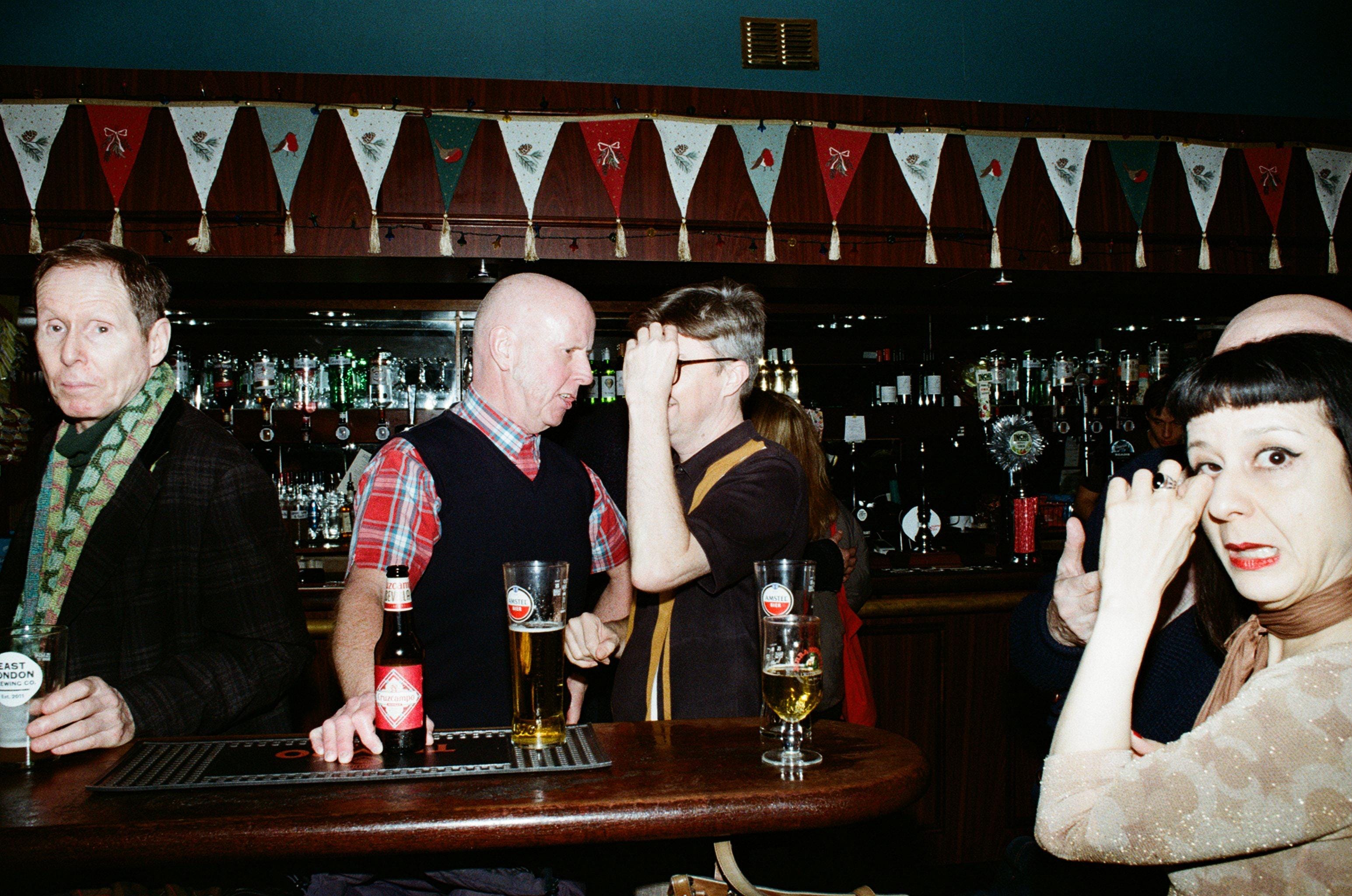
“A lot of people think it was a bit like Billy Elliot, with 15-year olds skipping around,” he said. “But there were a lot of older guys there that had manual jobs – you might be dancing next to a 26-year old steel worker or miner. We just liked good music.”
If the music entranced, the atmosphere intoxicated. Soul evenings, Jaffa emphasised, were filled with an energy that was absent in other clubs; one of inclusivity and hospitality.
“I went up to dance for the first time and kept kicking this big bloke by accident,” he said, with a Yorkshire chuckle. “But every time I kicked him he would apologise to me! When I sat down, he even made a point of coming to sit with me for a chat.”
Soul had him - from consecutive all-day’ers to “semi-sensible” do’s in his later years - and it wasn’t letting go.
When he isn’t lost in music, Jaffa designs record sleeves for a living. He is a partner in About Time Records (a modern UK soul label), working with other major labels to produce record sleeves for Northern Soul compilation albums. “I can’t complain,” he said.
Though it was not obvious when he was kicking the burly miner on that fateful evening back in ‘76, each step edged his life towards a new trajectory; one glued together by expression and buoyed by music.
Half a country apart and years downstream, Northern Soul is still spinning youths onto that same track. On the dance-floor as in life.
‘Right Track’
“I would never dance when I went out,” Alec said, cutting above the Friday-night fuzz of a local pub.
Alec Jafrato is 23, belonging to a vein of youths suffocated by ‘cringe culture’ and the all-seeing eyes of social media. For him and his generational peers, the courage to dance is often crushed below an avalanche of insecurity. “You can feel a bit judged at times in a club,” he said. “You’re looking around and a lot people are just stood still.”
Unknown to Alec, however, the radiance of a dance-floor in SE4 was soon to clear the snow.
“I danced until I was sweating – dripping wet,” he said. “When you first get into it and just dance you don’t think about anything else.”
Just like Jaffa falling in love at first sight, Alec was hooked. With that ecstasy, he not only smashed the glass ceiling but hung a mirrorball in its place.
“If people are watching you, they either think you’re a good dancer or they rate you for going for it!”
Confidence bloomed in each step, with the dance-floor’s echoes reverberating far beyond the ballroom’s walls.
Alec is a photographer and his love for Northern Soul has grown hand-in-hand with his craft. His shots from Soul nights have been exhibited by top brands including Reebok, Bacardi and DAZED.
“It’s really helped my flow, he said. “How I use space or make space.”
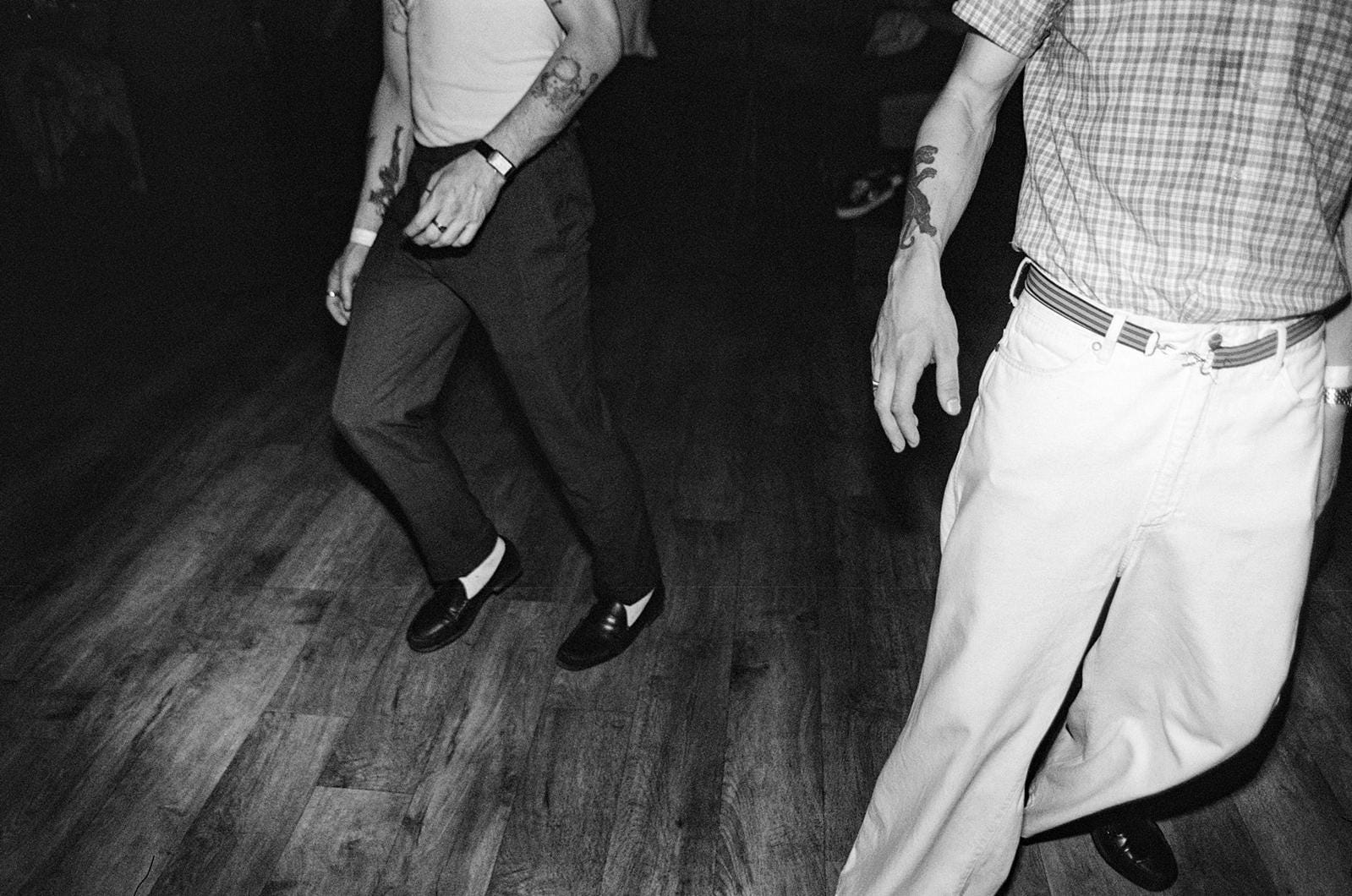
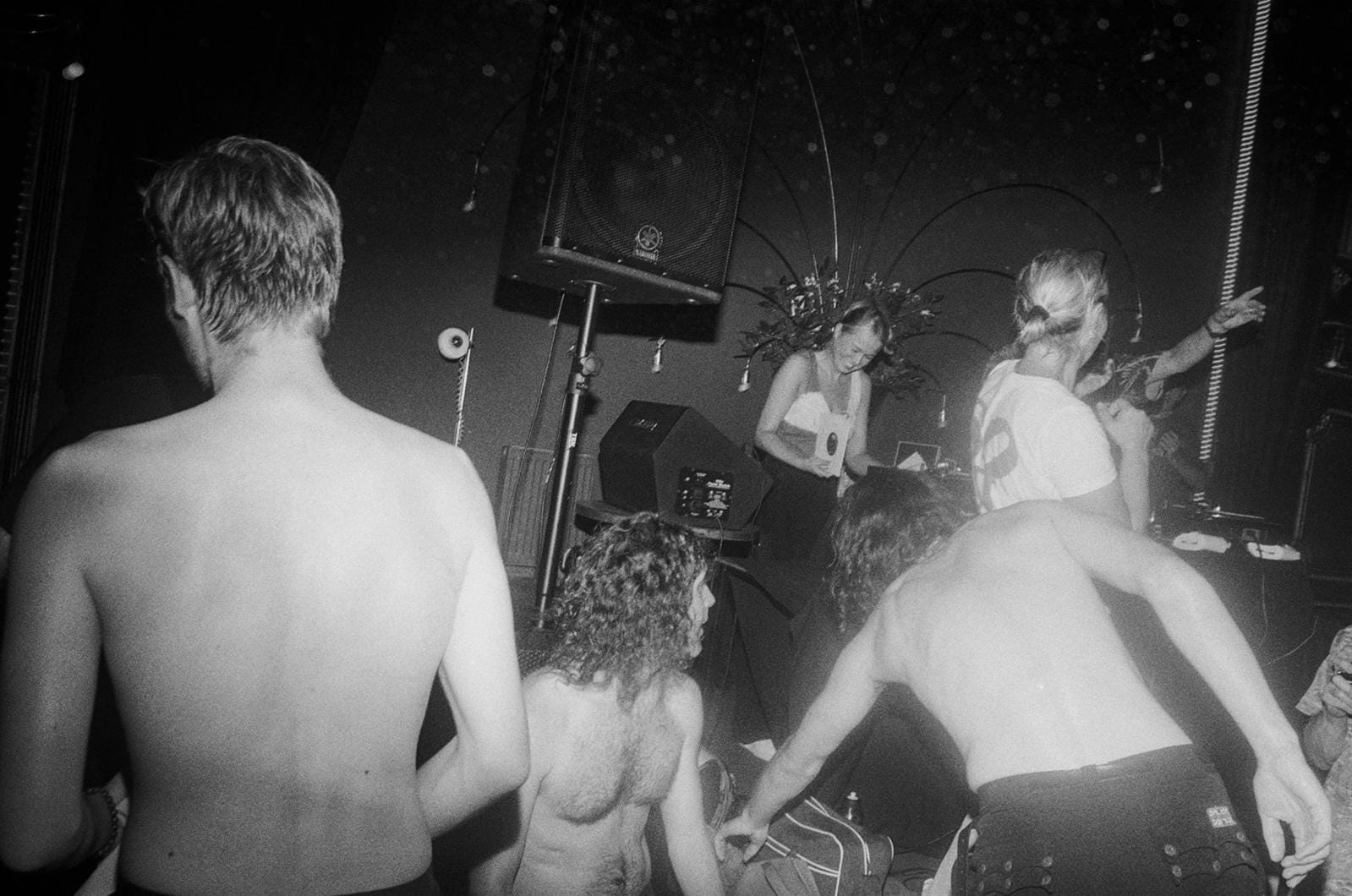
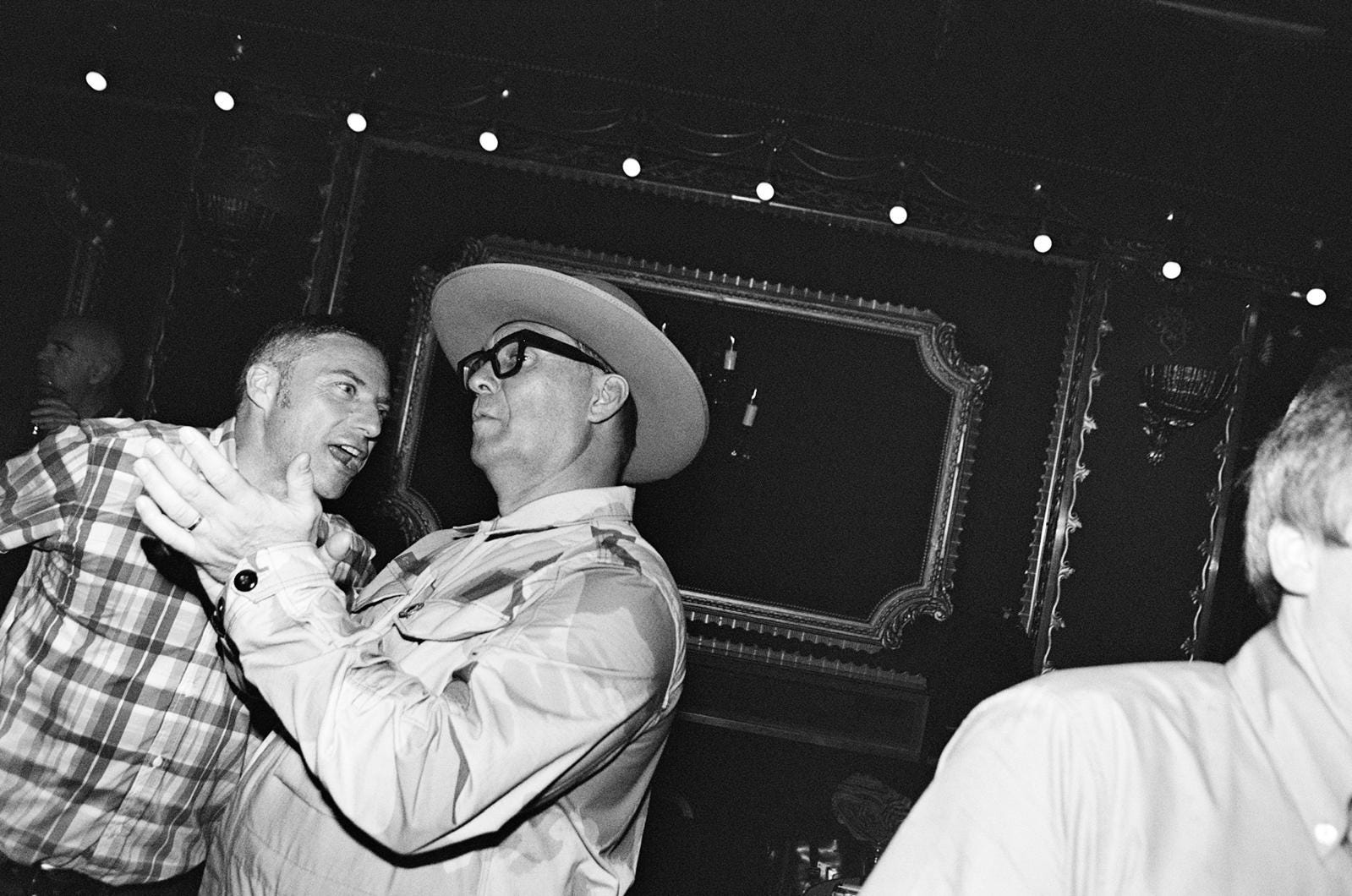
The Soul scene of today has been criticised as an imitator of yesterday’s, devoid of its working class heritage and encroached upon by insincere influencers. While elements of that criticism hold true - reflecting the nature of society more so than the scene itself - the appeal of the dance-floor is anchored to similar social dynamics as those of the movement’s origins.
At the beginning of 2026, around 12.8% of youths between 16-24 were not involved in education, employment or training - a rate that has been steadily rising since 2021. This has brewed a silent crisis of youth isolation, with around one in every ten 16-24 year old “often” feeling lonely, according to the Office for National Statistics (ONS).
Just as it was for Jaffa’s generation, Soul dance-floors continue to offer refuge and community to young people in the UK. “I am not trying to make it a deep thing,” Alec said, “but if you’re stressed out about something, you go there and can just dance.”
‘Long After Tonight is All Over’
It’s an unseasonably warm Friday night in Crofton Park. I’m in the Rivoli Ballroom, dark but for a few velvet-red spotlights. A chandelier swings gently above a sea of flying bodies. The air is fragranced by perfume, thickened by sweat and misted by talcum powder that rises underfoot like dust from a horse’s hoof.
What’s the recipe? “10% fantastic records, 10% drugs and 80% youthful enthusiasm,” Jaffa said, only a partially joking.
“For a while, the whole scene had lost that edge it had of youthful enthusiasm,” he said. “It became old blokes playing moody records only because they were rare.”
Sliders, shufflers and stompers negotiate the floor, communicating with swinging arms and joyful glimmers. The DJ pulls records from his Fred Perry duffle. The music erupts from wartime speakers. My feet start to move.
“When you first get into it, and just dance, you don’t think about anything else,” Alec said. “You are just listening to the music – locked in – and just move however the music makes you move.”
To my right, a middle-aged man with polished shoes swings his leg above his head. To my left, a Gen-Z moving on the beat with the rhythm of musician and the gentle poise of an octopus. Decades divided, but the dance-floor united.
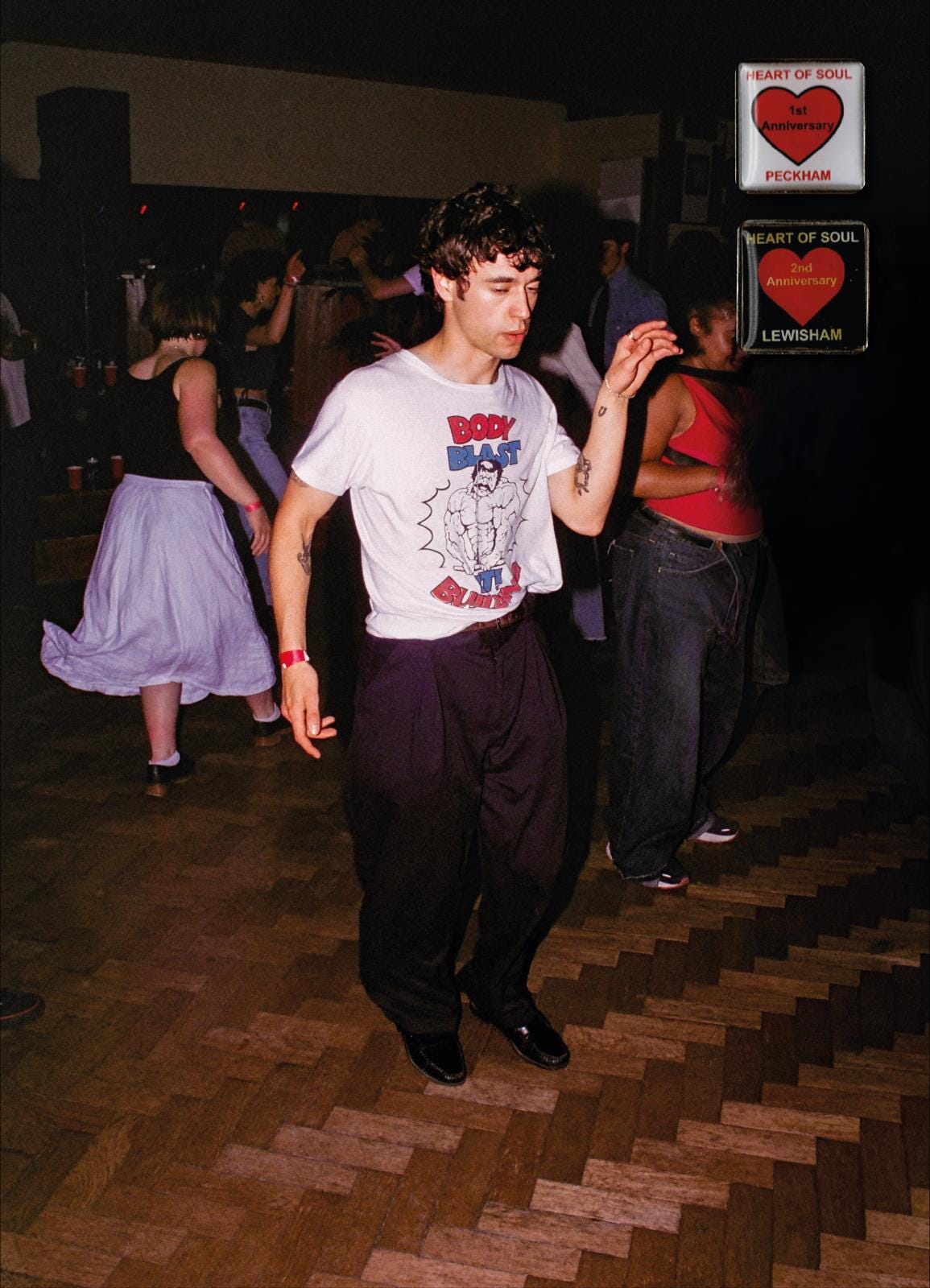
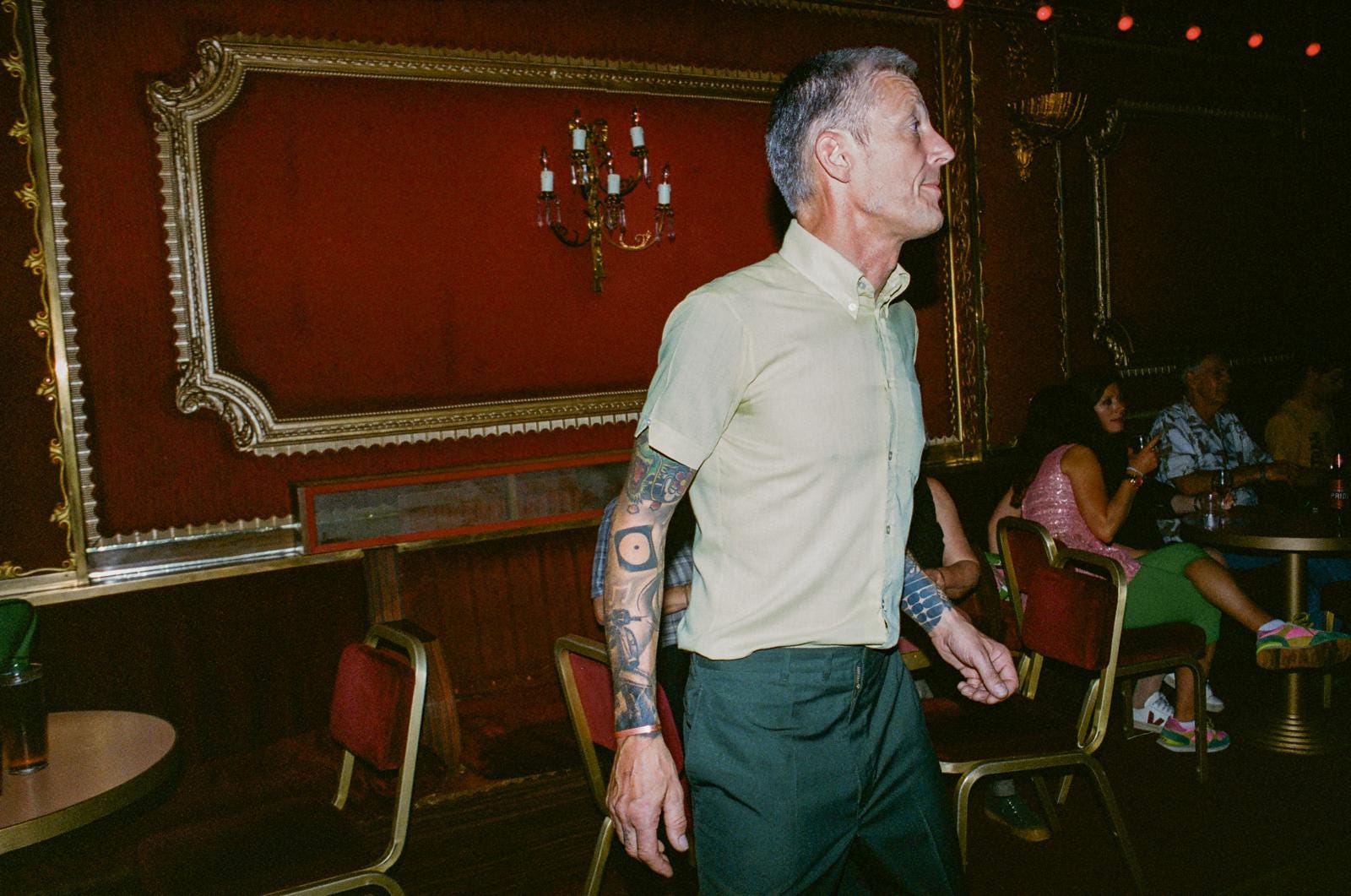
“Over the last five or six years, young people have been getting back into it,” said Jaffa. “And that’s been fantastic.”
Just as young people are drawn towards the Northern Soul - where they are often hooked for life - so too do Soul dance-floors need their restless enthusiasm: the oxygen that keeps the scene breathing.
“It was never really about rare records or ‘original vinyl only,’” said Jaffa. “It was about people going daft on the dance-floor, having a great time.”
And as long as there is disenfranchisement or isolation, there will always be a need for that.
Jaffa and Alec both showed that you can be spun onto paths of self-expression and confidence that glow through the night and into the day.
So, next time you are thinking about it, just dance. You never know where you might end up.
MM