

Plates Without Borders
Overcoming barriers, one dish at a time
Anthony Bourdain once declared the dinner table The Great Equalizer: a space where division melts into unity over aromas and flavours that speak to us in a tongue that the mind doesn’t need to understand.
Iolanda echoed him. “When you sit down and eat together, you forget where you’re coming from and just concentrate on the food you’re eating,” she said over a crackly phone call. “It breaks down so many barriers.”
With inequality, xenophobia and ethno-nationalism surging across Europe, are dinner tables not more important than ever? To find out, I got in touch with two social enterprises in London and Rotterdam serving up much more than food.
One Tbsp. Community
Iolanda Chirico is the founder of Plateful Café, a London-based social enterprise that connects refugees with local communities through food. The initiative centres around a team of refugee chefs preparing dishes from their country of origin for pop-up events or catering services.
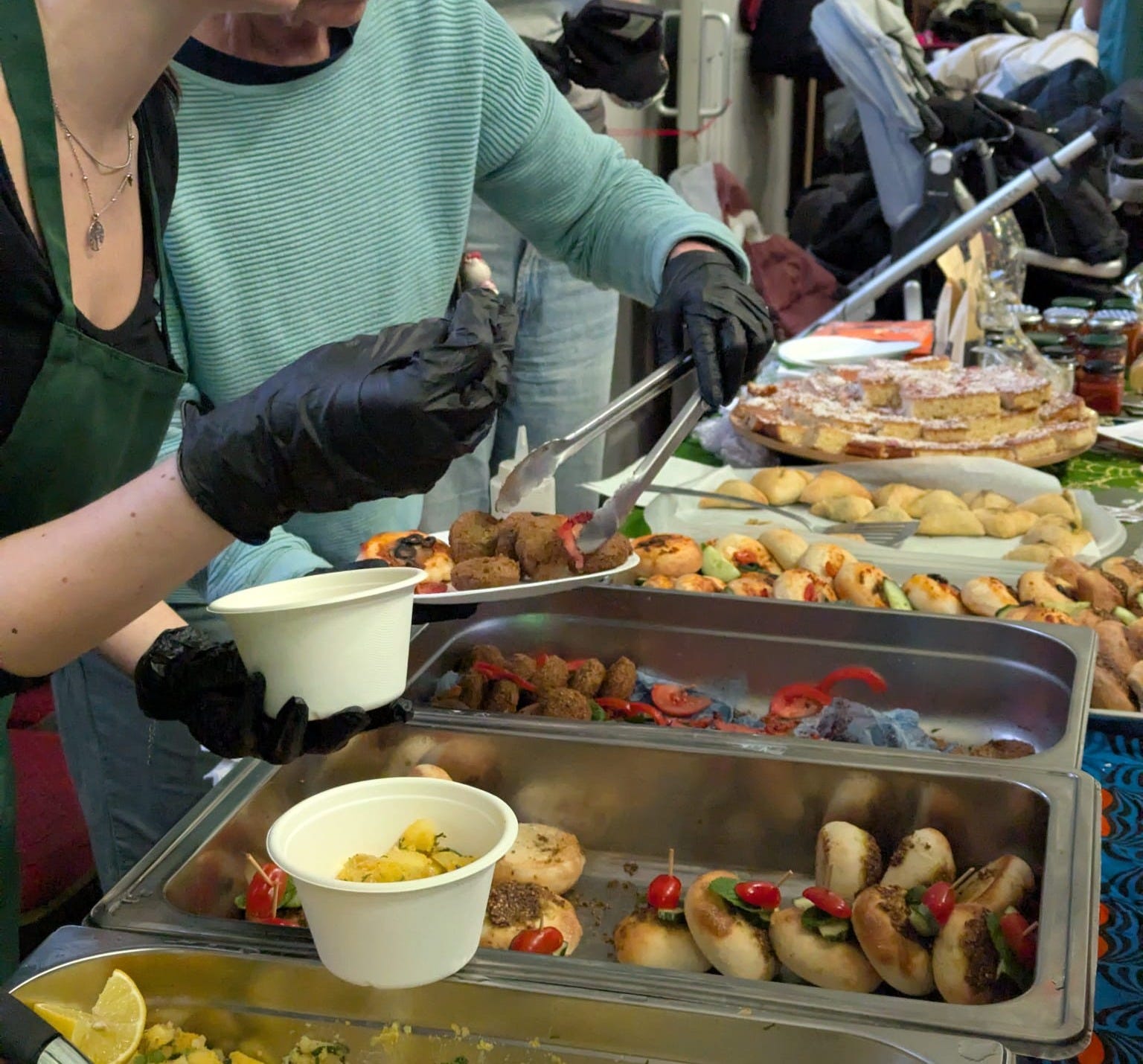
“Every event we do, people forget that the food has been cooked and served by refugees,” Iolanda said. “They just see them like a chef coming from anywhere… the barriers are down.”
A barrier, the Oxford Dictionary tells us, is “an object that prevents people from moving forward from one place to another.” Sure, but that’s only half of it. What about the invisible ones?
Today, there are around 515,000 people with refugee status in the UK, according to the International Rescue Committe. That’s less that 1% of the entire population. But, given the direction of the British establishment, you’d be forgiven for not knowing that.
“The political scene is not getting any better,” said Iolanda. “Refugees and migrants are blamed for all sorts of things in society.”
“It was not their choice to come here,” she added. “They were businessmen, journalists, lawyers.”
Plateful Café provides a platform for those individuals, allowing them to share the dishes and flavours of their roots. Shawarma, falafel, halloumi and hummus are but a selection of favourites, along with retail items like Persian jam, Syrian chilli paste and Yemeni tea, all of which is crafted from traditional recipes.
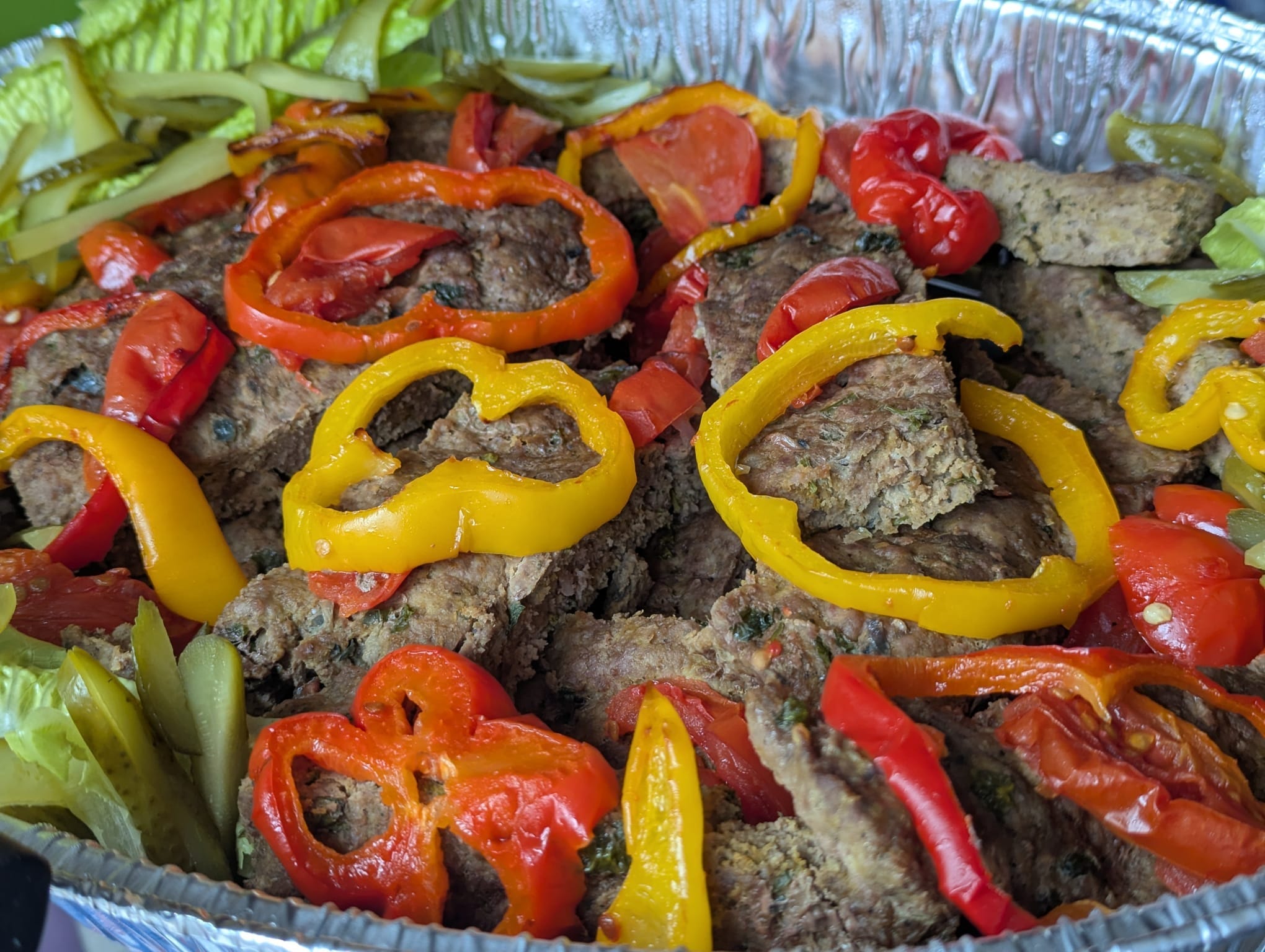
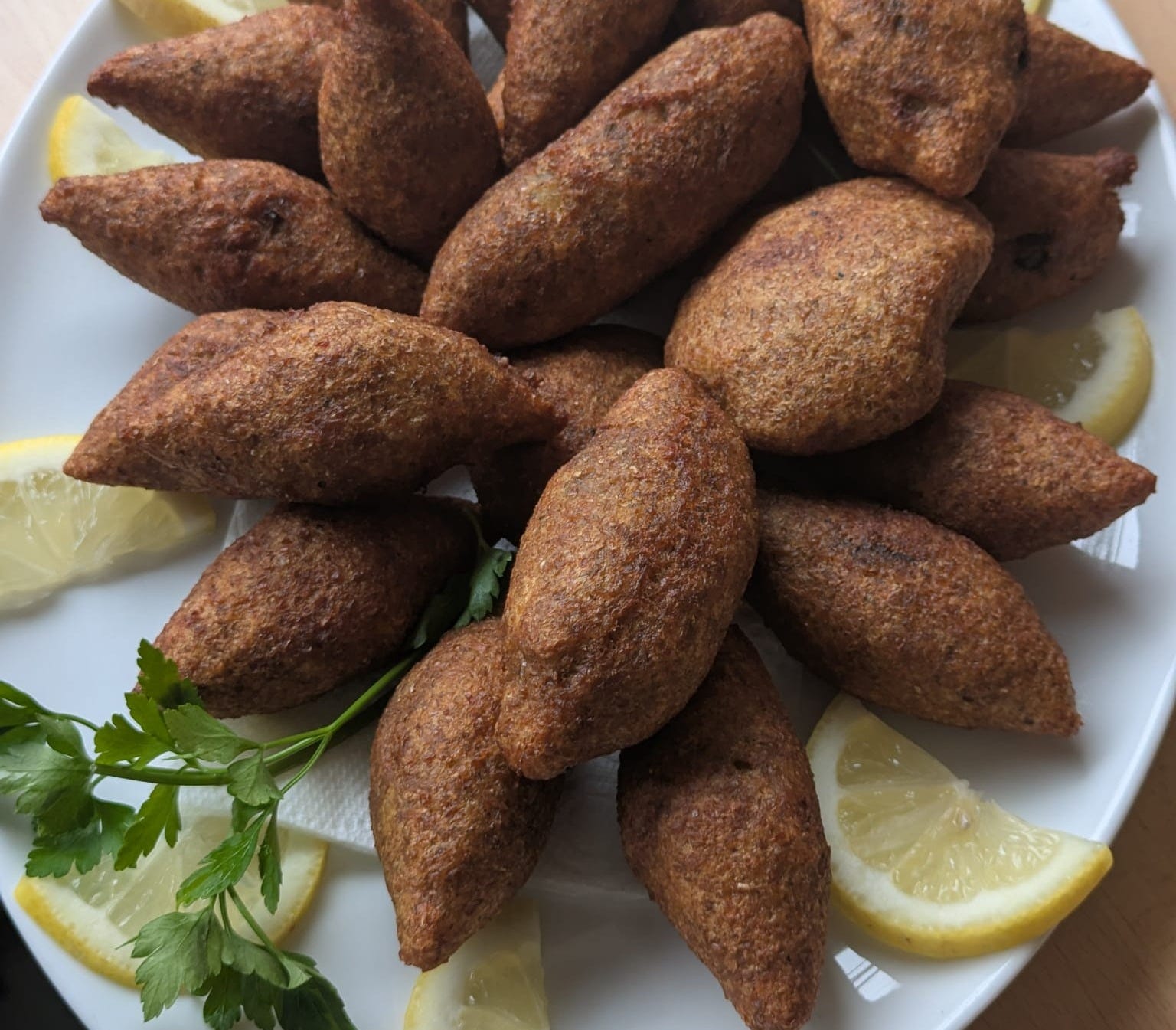
But, of course, food is not only for eating. The goal of Plateful is connection. Food, Iolanda explained, is only the medium of communication. “It’s a universal language, isn’t it?”
Plateful utilises that universal language to foster a community in which refugees and asylum seekers can express themselves and engage. Across the channel, I saw how this universal language is being harnessed to empower chefs far beyond the kitchen.
A Pinch of Solidarity
Many of the invisible barriers facing migrants and refugees are heightened for women. This is something that one organisation in the blustery Dutch port city of Rotterdam is taking a culinary approach towards.
“Most of the time, the husband comes to the Netherlands earlier than the wife,” Esther told me. “The rules in the Netherlands are that the one who comes first gets the social security, so the ladies are very vulnerable.”
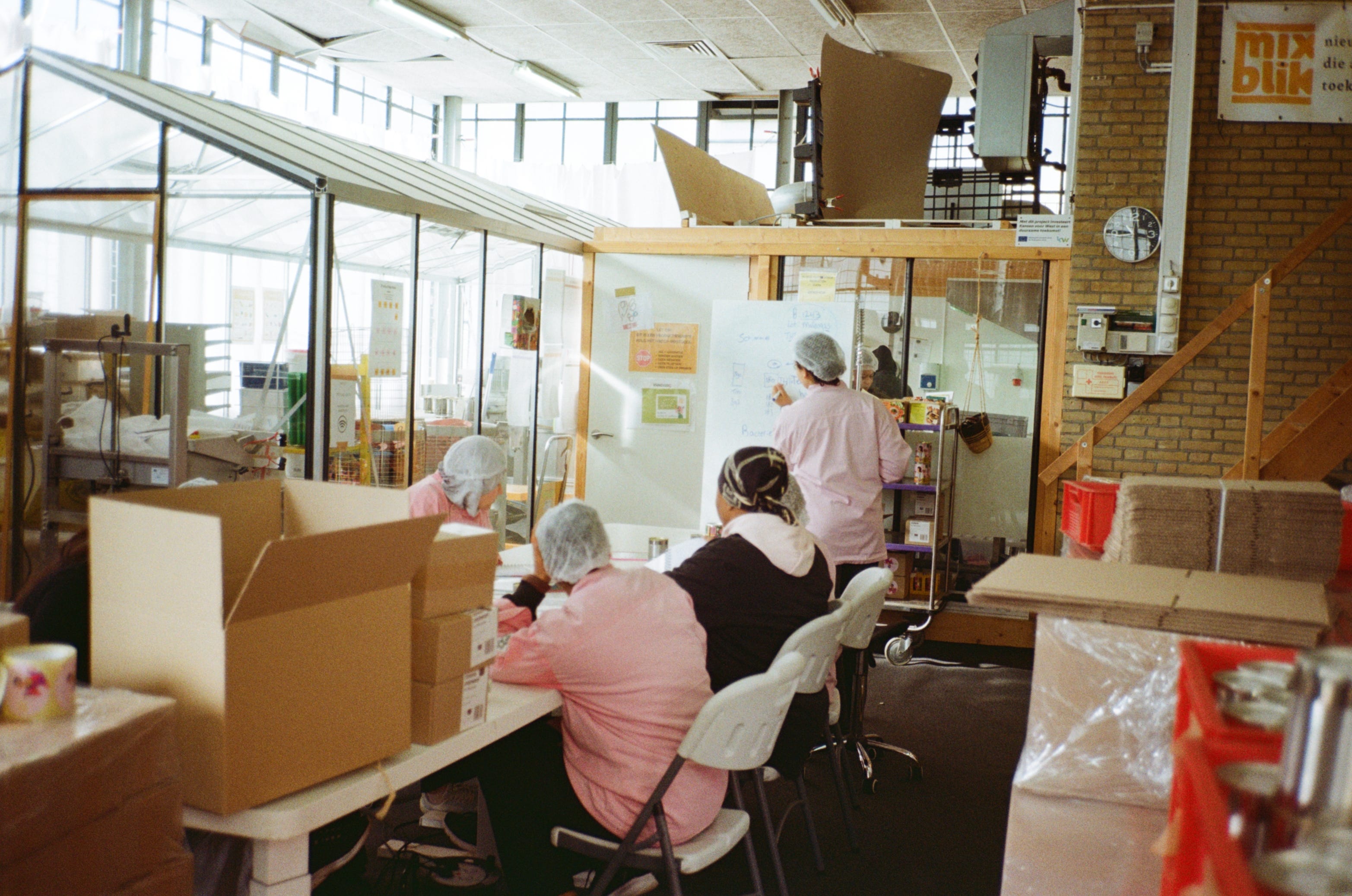
Esther van der Hoeven co-founded Mixblik with Iris van Beers in 2020. The goal of the social enterprise is to allow migrant women to benefit from their culinary expertise while developing new skills relevant to the Dutch workplace.
“To participate in the Netherlands, going to work is very important,” Esther said. “Often more important than in the lives where they come from.”
Similarly to Plateful, Mixblik’s team of chefs prepare dishes from their country of origin, brimming with secrets: Cape Verdean Cachupa, Turkish Shakshuka, Eritrean Lentil Stew. Esther even explained that the two Cape Verdean chefs had such distinctly personal Cachupa recipes that they needed to settle on a balance.
The food – which is all plant-based – is prepared in batches and then packaged in vibrant tins reflective of their manufacturers’ dynamism and diversity, before being shipped to retailers across the country.
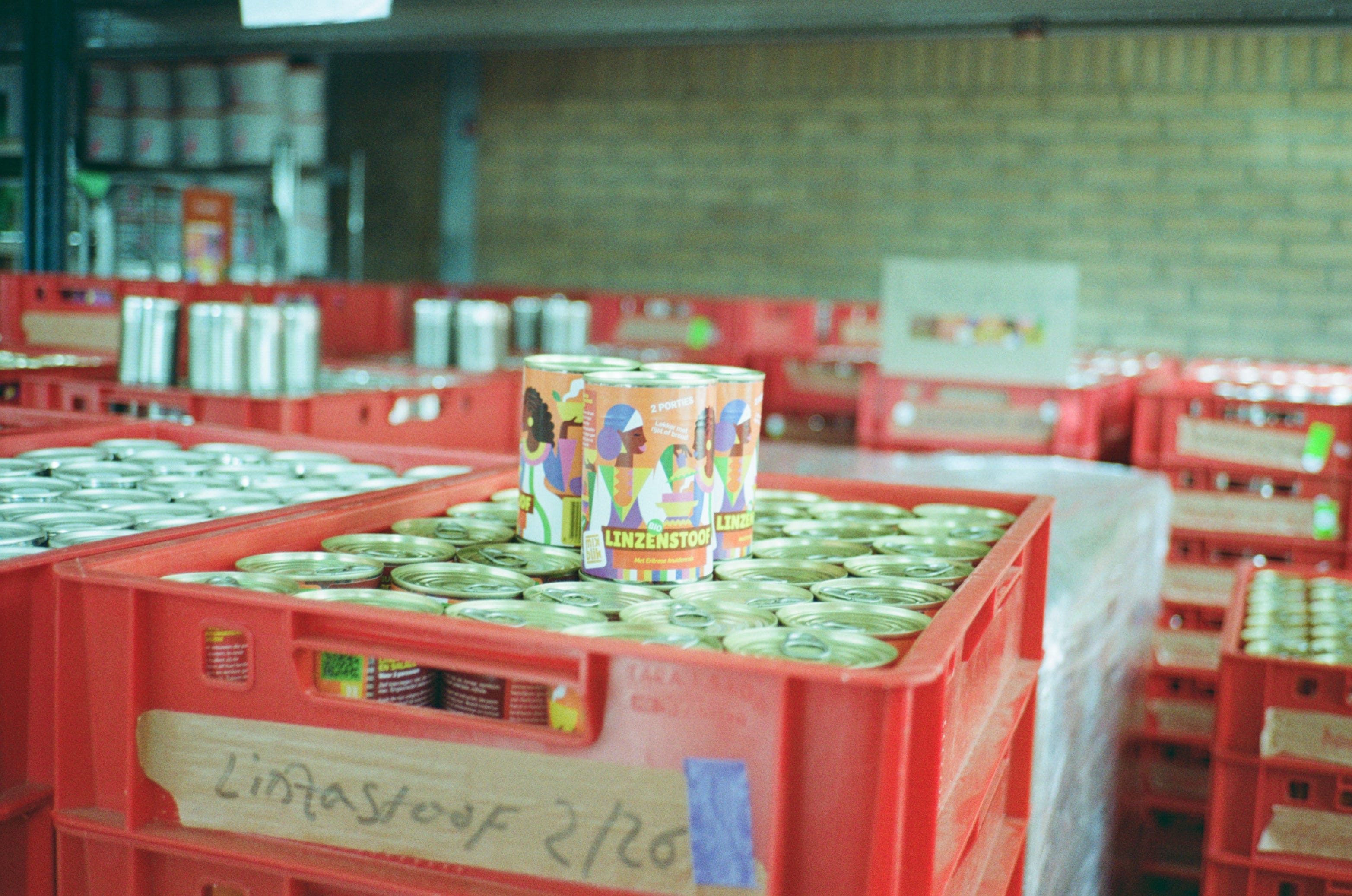
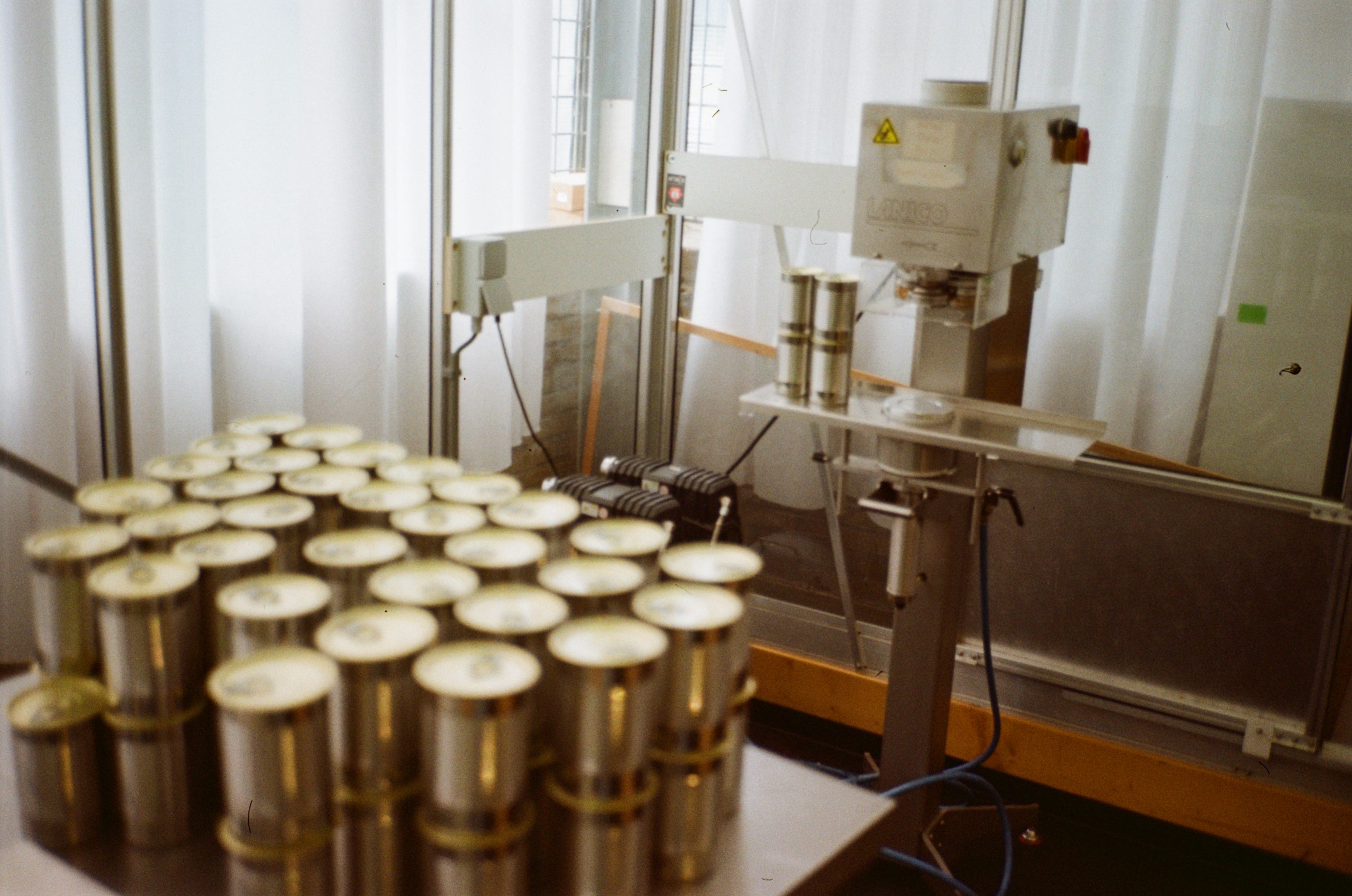
Esther explained that Dutch workplaces – as in many other European settings – require a certain level of formal education, formal work experience and proficiency in the language. While logistics and gig industries are large employers for migrant workers in the Netherlands, those sectors disproportionately hire men.
In addition, Esther said, women typically carry an uneven domestic responsibility. “What we see is that they have to do all the work at home,” she said. “So they really have double jobs.”
Mixblik acts as a stepping stone in this bewildering pond: providing migrant women with formal training and education which takes place alongside their work in the factory.
“They already have the confidence to prepare their own foods,” Esther said. “Within that confidence, you can teach them other things.” These things include professional courses ranging from warehouse logistics and culinary hygiene certification to Dutch language and unofficial workplace protocols.
Unlike most NGOs or government initiatives, Mixblik delivers education within a context of community and solidarity, in a setting with which the women are familiar and comfortable.
“Getting the opportunity to come to a place where you feel at home is very important to making really big steps and real change,” said Esther.
Through solidarity, Mixblik empowers.
The Human Touch
Plateful and Mixblik both use food to connect migrants and refugees with the broader society into which they’ve entered. But more importantly, perhaps, they allow them to tell their own stories.
Due to the intersection of barriers that they face, migrant mothers, Esther explained, can be left feeling dependent on their partners and children. Mixblik, however, puts the agency back into their hands.
“Women come and say that it is the first time since moving to the Netherlands that they feel like they are the mother of their children again,” she said. “She is in charge again and can be the mother and example to her family and children.”
Iolanda expressed a similar sentiment regarding social isolation.
In the UK, asylum seekers waiting for their refugee application to be processed do not have the right to work. On the one hand, this has an immense and overlooked economic effect: it is estimated that the UK economy could gain as much as £333 million if this ban were lifted.
On the other hand, however, the human effect of this restriction is much deeper and harder to recognise. “The refugees and asylum seekers are very isolated for all sorts of reasons,” Iolanda said.
“Some of them live to live in hostels while they’re waiting for their asylum application to be assessed. Some are living in other social housing, where it’s very difficult to mix with the local population. Also because of poverty, they cannot afford to go out and mix with local people.”
Plateful tackles this through social events and pop-ups that encourage engagement between refugees and local communities over dinner tables: that great leveller.
“The café is a place to socialise, meet new people, improve their English, improve their self-esteem, mental health, well-being,” she said. “When you are part of a community, you feel like you belong somewhere.”
Together, both initiatives illustrate the power of food. Not only as something that we eat, but as a storytelling device that can help bridge cultural gaps which can at times feel more like canyons.
But each time we gather around a dinner table, those gaps get a little bit smaller. Today’s Europe needs dinner tables.
MM